Understanding Senior Fall Detection: A Practical Guide for Families
Falls are one of the most common and serious risks for older adults living at home. For families spread across New Zealand, the worry of a parent or grandparent falling and not being able to call for help is a constant undercurrent. It is not about being overprotective. It is about having a practical plan for the moments that matter most. Senior fall detection has become a key part of that plan, helping families bridge the gap between independence and safety.
I have spent years working with families who are trying to figure out what actually works. There is a lot of noise in the market. Some devices promise the world but fail when it counts. Others are simple, reliable, and designed with real-world use in mind. The difference often comes down to how the technology is built and how it fits into daily life.
How Fall Detection Technology Has Changed
Not long ago, a fall alarm meant pressing a button on a pendant alarm or a wall-mounted unit. That still works for many people, but it relies on the person being conscious and able to press the button. After a fall, that is not always possible. A hip fracture, a head injury, or simple shock can leave someone unable to reach the button. That is where modern fall detection technology comes in.
Today's best systems combine an accelerometer and motion sensors inside a wearable device. These sensors constantly monitor movement patterns. When the device detects a sudden impact followed by stillness, it can automatically trigger an alert. The system does not wait for the person to press a button. It acts on what it senses. This automatic response is what makes senior fall detection so valuable for families who cannot be there every minute.
What to Look for in a Medical Alert System
Choosing a medical alert system for an older relative is not a one-size-fits-all decision. There are several factors that matter more than the brand name or the colour of the pendant. Based on what I have seen work well in New Zealand homes, here are the essentials:
- Automatic fall detection that does not require the wearer to press a button
- GPS tracking so the person can be located whether they are at home or out walking
- Two-way calling so the monitoring team can speak directly to the person and assess the situation
- Caregiver alerts that notify family members immediately when an alarm is triggered
- No ongoing monthly fees that add stress to a fixed budget
Each of these features plays a specific role. The automatic detection gives peace of mind when the wearer cannot act. GPS tracking is especially useful for seniors who still enjoy walking or visiting friends. Two-way calling means the person is not just a silent alarm. They can explain what happened, and the responder can send the right help. And when there are no monthly fees, families can budget without surprise costs.

Why Monthly Fees Matter for Senior Safety
One of the biggest frustrations I hear from families is the surprise of ongoing monthly fees. Many medical alert systems look affordable at first, but the subscription costs add up quickly. For seniors on a fixed income, that is a real problem. If the monthly fee becomes too much, the device gets left in a drawer. That defeats the purpose entirely.
Systems like Familyr have addressed this by removing monthly fees entirely. You buy the device once, and that is it. The 24/7 monitoring, the GPS tracking, and the fall detection all work without a recurring bill. That kind of straightforward pricing respects the financial reality of aging in place. It also means the device stays active and worn, which is the only way it can protect the person.
Real-World Use of Wearable Devices and Fall Detection
I have seen wearable devices work best when they are comfortable and easy to use. A pendant alarm that is too bulky or awkward will be left on the bedside table. A wristband that feels like a medical bracelet might be tucked away in a drawer. The design matters because compliance matters. If the person does not wear it, the best fall detection technology in the world is useless.
Modern pendants and wristbands are lighter and more discreet than they used to be. Some are waterproof, so the person can wear them in the shower or while gardening. That is important because many falls happen in the bathroom or during everyday activities. The device needs to be there when the fall happens, not sitting on the charger.
The Role of Artificial Intelligence in Fall Detection
There has been a quiet shift in how fall detection algorithms work. Early systems relied on simple thresholds. If the accelerometer registered a certain level of force, the device triggered an alarm. That approach led to false alarms from dropping the device or bumping into furniture. It also missed some real falls that did not produce enough force.
Now, artificial intelligence helps distinguish between a fall and a non-fall event. The system learns from thousands of real-world fall patterns and everyday movements. It gets better at recognising the difference between someone tripping and someone sitting down quickly. This reduces false alarms, which is important because too many false alarms cause people to ignore the system or turn it off.

But AI is not perfect. No system catches every fall. That is why the best approach combines automatic detection with the option to press the button manually. If the automatic system misses a fall, the person can still trigger the alarm themselves. And if they cannot press the button, the automatic system is there as a backup. That redundancy is what makes senior fall detection reliable enough to depend on.
Emergency Response: What Happens After the Alarm
When a fall is detected, the next step is emergency response. The device sends an alert to a monitoring centre. The centre can use two-way calling to speak with the person through the device's speaker and microphone. If the person does not respond, or if they confirm they need help, the centre dispatches emergency services or contacts a family member.
This chain of events needs to happen quickly and without confusion. The best systems have a trained team that knows how to handle falls specifically. They do not just forward the call to 111. They assess the situation, ask the right questions, and coordinate the appropriate response. For families, this means they get a call or a text with a clear update, not a frantic guess about what happened.
Falls Prevention and the Bigger Picture
Fall detection is not the same as fall prevention, but the two work together. Smart home devices like motion sensors can help families notice changes in routine that might signal increased fall risk. If someone who usually walks around the house at 7 a.m. suddenly stays in bed until 10 a.m., that could mean they are unwell or had a fall. Motion sensors can send a gentle alert to a caregiver without being intrusive.
Prevention also means keeping the home environment safe. Loose rugs, poor lighting, and clutter are common hazards. Regular exercise to maintain strength and balance is one of the best ways to reduce fall risk. But even with the best prevention, falls happen. That is the reality of aging. Having a reliable fall detection system means those falls do not turn into hours or days of lying on the floor waiting for help.
What Families Should Ask Before Buying
If you are looking at options for a parent or grandparent, there are a few practical questions to ask. Does the device require the person to press a button, or does it detect falls automatically? Is the system backed by a real monitoring centre that operates 24/7? Can family members get alerts directly to their phones? Are there any ongoing monthly fees or hidden costs? How long does the battery last, and is the device waterproof?
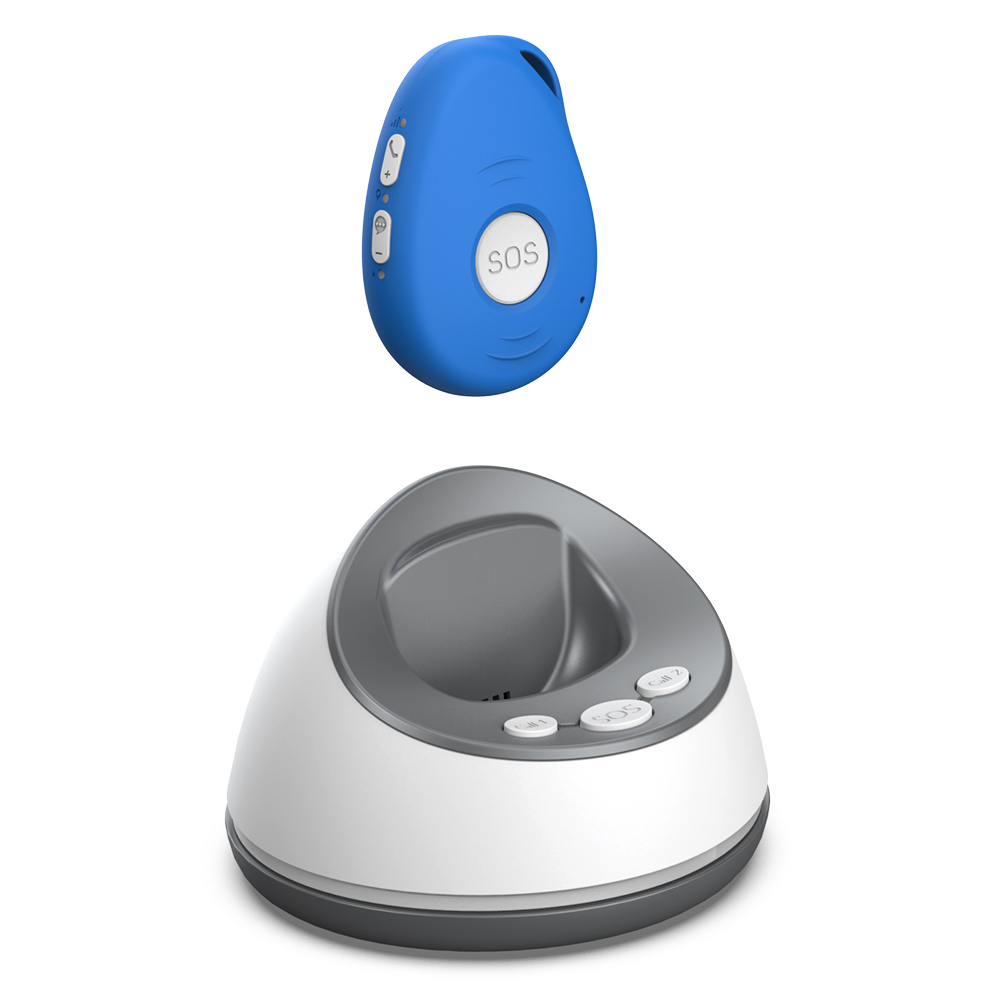
In New Zealand, options like Familyr have become popular because they check most of those boxes without the subscription trap. The device includes GPS tracking, two-way calling, and automatic fall detection. It sends caregiver alerts to whoever the family chooses. And because there are no monthly fees, it is a one-time investment in senior safety.
The goal is not to wrap someone in bubble wrap. It is to give them the freedom to live their life with a safety net underneath. Senior fall detection, when done well, provides exactly that: a quiet layer of protection that only makes itself known when it is needed. For families, that is worth more than any gadget.
Corrections
Spot something wrong? Send it to the desk and it gets fixed in the open.